
The Science Behind Barrel Aging: What Changes Over Time
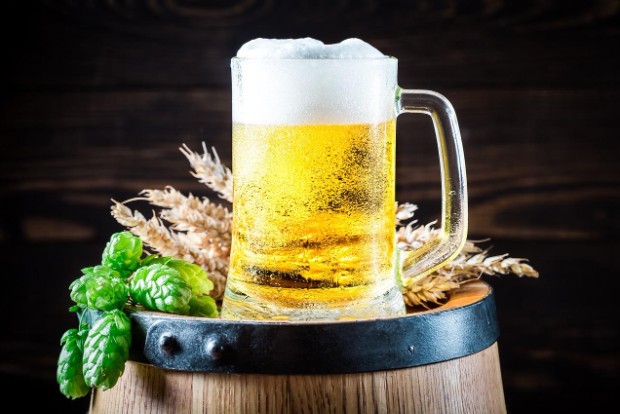
If you have ever sipped an aged imperial stout or a funky sour that spent months in oak, you know there’s something magical about the process. But what actually happens inside those barrels? It’s not just sitting around getting older — barrel aging is a complex chemical dance that transforms beer in ways that can’t be replicated in stainless steel. Let’s break down the science behind why brewers are willing to tie up their product for months or even years.
The Oak Itself: More Than Just A Container
Oak barrels aren’t neutral vessels. The wood is porous, allowing micro-oxygenation that softens harsh flavors and helps complex compounds develop. But oak also contains extractable compounds — lignins, tannins, and vanillin among them — that leach into the beer over time.
Chemical Extraction From Wood
When beer sits in contact with oak, it pulls out flavor compounds through a process called extraction. Lignins break down into vanillin (yes, the vanilla flavor), while oak lactones contribute coconut and woody notes. Tannins add structure and a pleasant astringency that balances sweeter, higher-alcohol beers.
The toast level of the barrel matters tremendously here. Light toast preserves more raw oak character, while heavy toast creates caramelized sugars and roasted notes. Here’s how different toast levels affect flavor:
- Light toast: Brings forward coconut, vanilla, and fresh wood character.
- Medium toast: Balances wood flavors with subtle caramel and spice notes.
- Heavy toast: Delivers coffee, chocolate, and charred characteristics.
- Medium-plus toast: Popular among brewers for its sweet spot of complexity.
The extraction rate depends on several factors, including alcohol content (higher ABV extracts faster), temperature, and barrel age — fresh barrels give up compounds more readily than neutral ones that have been used multiple times.
Oxidation: The Slow Transformation
Unlike the rapid oxidation that ruins fresh beer, controlled micro-oxygenation through barrel staves is actually beneficial. Oxygen sneaks through the wood grain slowly, triggering Maillard reactions and oxidizing hop compounds into softer, more integrated flavors.
This process mellows aggressive bitterness and creates sherry-like notes in strong ales. It’s similar to how patience plays out in other slow-reward scenarios – the same way anticipation builds as you play live dealer games waiting for the right card, brewers must wait for oxygen to work its gradual magic on their barrel-aged beers. Phenolic compounds polymerize, flavors marry, and rough edges smooth out.
The Role of Temperature Cycling
Barrels stored in temperature-controlled environments age differently from those experiencing seasonal swings. When temperatures rise, the wood expands and beer penetrates deeper into the staves. As it cools, the wood contracts and pushes beer back out, along with extracted compounds.
What Previous Barrel Contents Contribute
The ghost of whatever previously lived in a barrel shapes the final beer taste. Bourbon barrels are the most common in craft brewing, but wine, rum, tequila, and other spirits all leave their mark.
Residual alcohol soaked into the wood continues to extract over time, adding not just boozy warmth but also the flavor signatures of that spirit. Bourbon barrels contribute vanilla, caramel, and oak. Wine barrels bring tannins, fruit esters, and acidity. Each contributes unique congeners — those flavor-active compounds created during fermentation and distillation.
Here’s a comparison of common barrel types and their flavor contributions:
| Barrel Type | Primary Flavors | Best Beer Styles |
| Bourbon | Vanilla, caramel, coconut, oak | Imperial stouts, barleywines |
| Red wine | Cherry, grape tannins, earthy notes | Sours, Belgian dark ales |
| White wine | Citrus, bright acidity, subtle oak | Saisons, lighter sours |
| Rum | Molasses, tropical fruit, sweetness | Porters, brown ales |
| Tequila | Agave, pepper, herbal notes | Experimental lagers, IPAs |
The interaction between residual spirit and beer chemistry creates entirely new compounds that wouldn’t exist otherwise — it’s a transformation, not just an addition.
Microbiological Changes In Mixed-Fermentation Beers
For clean barrel-aged beers, the barrel is primarily a flavor vessel. But for sours and wild ales, it’s a living ecosystem. Brettanomyces, Lactobacillus, and Pediococcus colonize the wood grain, creating a house culture that inoculates every beer that follows.
These microbes work slowly, producing funky phenols, fruity esters, and lactic or acetic acid over months. Brett produces 4-ethylphenol (barnyard) and 4-ethylguaiacol (clove/smoke), while lactic acid bacteria create the sourness that defines many barrel-aged wild ales. The wood provides microbes with hiding spots where they’re protected from harsh cleaning, ensuring the barrel maintains its character batch after batch.
Time As The Essential Ingredient
Everything discussed above requires one non-negotiable element: time. Quick barrel aging rarely produces remarkable beer because these chemical and biological processes can’t be rushed. Six months is considered minimum for bourbon barrel stouts, while complex sours might need two years or more.
During extended aging, harsh alcohols mellow through esterification, where acids and alcohols combine to form fruity esters. Off-flavors fade as yeast cleans up fermentation byproducts. Integration occurs — individual components stop standing out and start working as a cohesive whole.
The result is worth the wait: a beer that couldn’t exist any other way, shaped by wood, time, oxygen, and the patient craft of brewers who understand that some transformations simply cannot be hurried.
