
How to Start a Mobile Bar Business with a Beer Tap Trailer
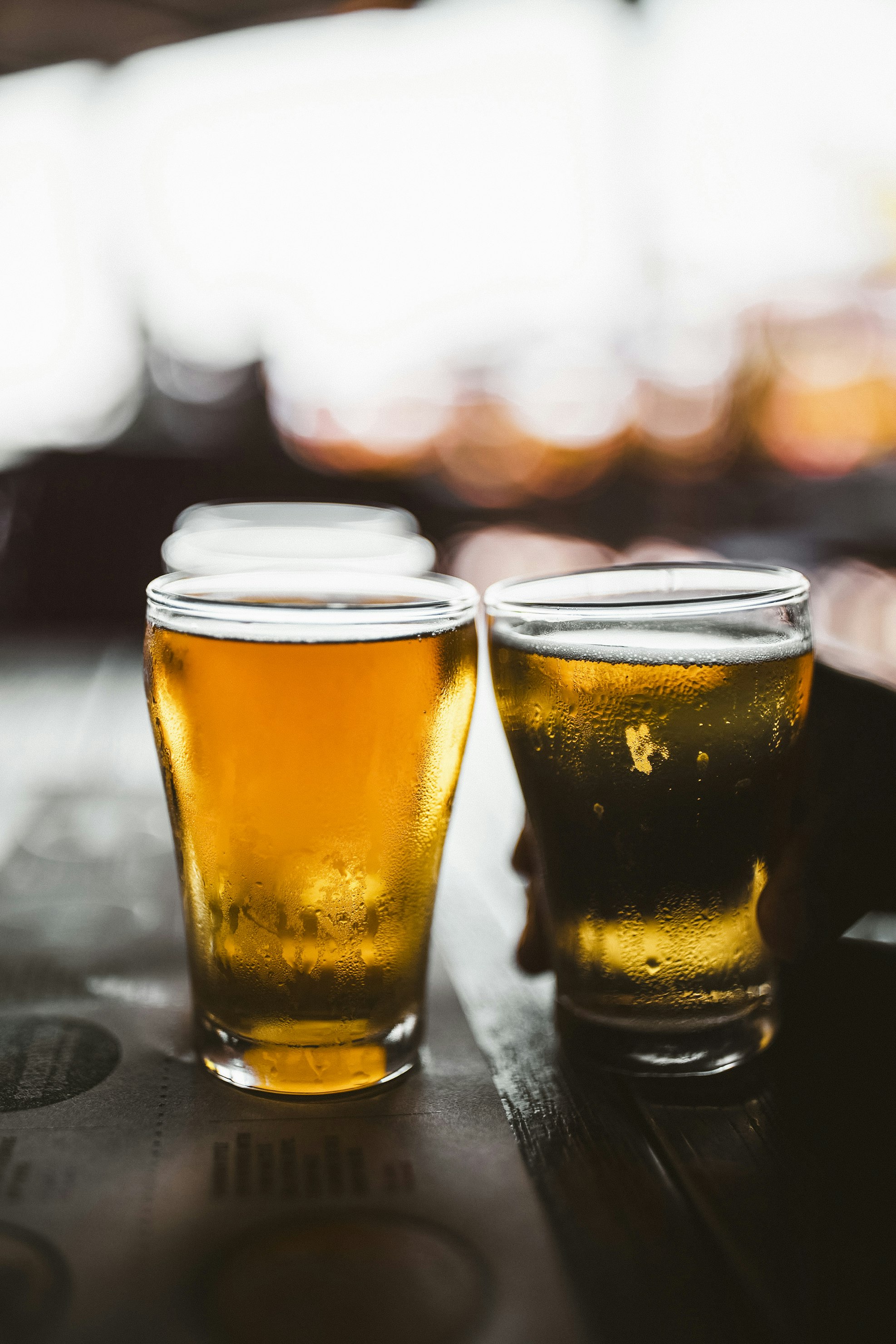
Starting a beer tap trailer business requires more than just a love for craft beer; it involves understanding the necessary permits and licenses. Navigating these regulatory requirements is crucial for ensuring legal compliance and operational success. This guide outlines the essential steps to establish a successful mobile beer bar in Austin’s vibrant craft beer scene.
Embarking on a mobile beer service involves more than acquiring the right vehicle and equipment. The complex process of obtaining necessary permits and licenses is vital for a seamless beer trailer setup. Whether you’re new to the industry or an experienced entrepreneur, understanding these requirements is essential. This guide focuses on navigating the local regulations that govern mobile beer bars, ensuring you start your venture on the right path.
Comprehending State and Local Regulations
Before diving into the mobile beer business, it’s crucial to understand the state and local regulations specific to your area. Each region has unique requirements that must be met before serving a pint. In some places, you might need separate licenses for alcohol distribution, health compliance, and event-specific permits. Overlooking any of these can result in costly fines or even business closure.
Key permits for operating a mobile beer bar often include a general business license, a specific license for alcohol sales, and sometimes special event permits. Understanding these is essential for avoiding legal pitfalls. It’s advisable to consult with local authorities or legal experts who can provide guidance tailored to your location’s needs. Staying informed helps you navigate potential bureaucratic hurdles efficiently.
In addition to these permits, keeping track of renewal dates and compliance updates is vital. Regulatory bodies frequently update their policies, and staying ahead of these changes ensures continuous operation without disruptions. Regularly reviewing guidelines and maintaining open communication with regulatory agencies can save time and resources in the long run.
Steps to Achieving Compliance
Securing all necessary licenses and permits is a multi-step process that requires careful planning and execution. Begin by compiling all relevant documentation needed for applications, such as proof of insurance, identification, and business plans outlining your operations. This preparation will streamline the application process with regulatory bodies.
The next step involves submitting applications to the appropriate authorities for approval. This might include local government offices or state-level departments responsible for alcohol distribution licenses. Patience is key during this phase as processing times can vary significantly based on workload and complexity.
Once approvals are obtained, maintaining compliance becomes an ongoing responsibility. Regular audits or checks may be conducted by authorities to ensure adherence to regulations. Keeping thorough records and being proactive about renewals will safeguard your business from unexpected setbacks.
Ensuring Operational Success
A successful beer trailer business hinges on more than just compliance; operational best practices are equally important. Efficient layout design of your trailer can enhance service speed and customer experience. Consider workflow optimization when setting up equipment within your trailer space.
Compliance also plays a role in marketing strategies and customer interactions. Highlighting your adherence to regulations can build trust with clients, reassuring them of safe consumption practices. Moreover, staying compliant opens doors to collaboration opportunities with larger events or venues seeking reliable partners.
By integrating compliance into every aspect of operations, from staffing to inventory management, you ensure a robust foundation for growth. Regularly training staff on regulatory changes keeps everyone informed and prepared for inspections or audits. This vigilance not only protects your business but also contributes positively to the reputation of the craft beer industry as a whole.
