
The Evolving World of Beer: Trends, Culture, and Innovation
Beer has been part of human culture for thousands of years, yet it continues to reinvent itself. From ancient fermentation techniques to modern craft experimentation, beer remains one of the most dynamic and influential beverages in the global drinks industry. Today, beer is no longer just a simple lager at the end of a long day—it’s a reflection of culture, creativity, and changing consumer preferences.
A Brief Look at Beer’s Cultural Roots
Historically, beer has played a social and even spiritual role in many civilizations. Ancient Mesopotamians brewed early forms of beer as part of daily life, while medieval European monasteries refined brewing techniques that still influence styles today. Over time, beer became associated with community gatherings, celebrations, and local identity.
That sense of place still matters. Many beer styles—such as German lagers, Belgian ales, British bitters, and Czech pilsners—are deeply tied to their regions of origin. Even in today’s globalized market, drinkers often seek out beers that tell a story about where they come from.
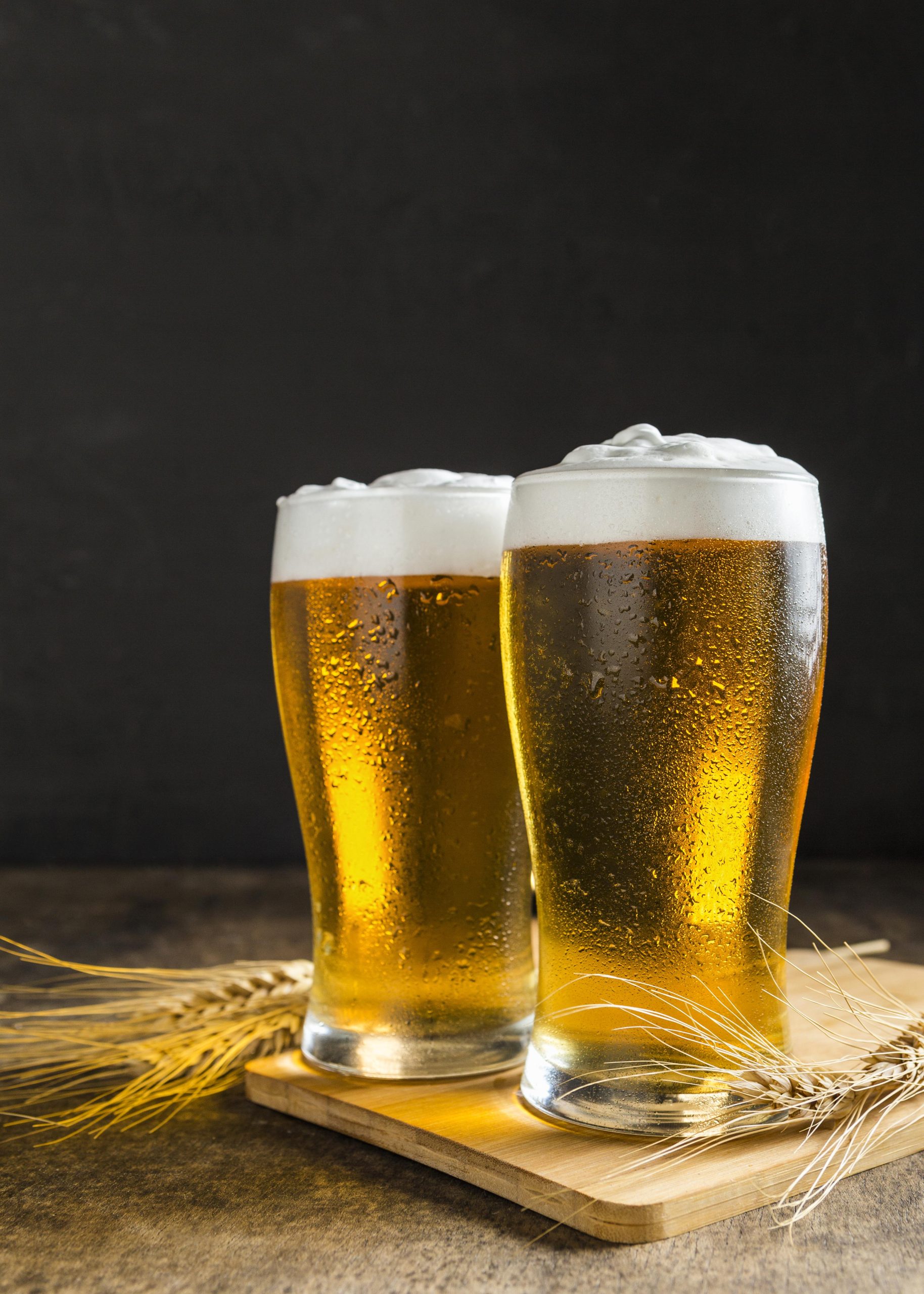
The Craft Beer Movement
One of the most significant developments in recent decades has been the rise of craft beer. Small, independent breweries have challenged mass-market producers by focusing on flavor, quality, and experimentation. This movement has expanded the definition of what beer can be.
Craft brewers regularly experiment with:
- Unconventional hops and yeast strains
- Barrel aging in whiskey, wine, or rum casks
- Additions such as fruit, spices, coffee, or chocolate
As a result, beer drinkers now have access to a wider variety of styles than ever before—from hazy IPAs and pastry stouts to sour ales and farmhouse saisons.
Health-Conscious and Functional Trends
Modern consumers are increasingly mindful of what they drink. This shift has influenced beer in several ways, including the rise of low-alcohol, non-alcoholic, and “better-for-you” options. Brewers are responding with lighter beers that maintain flavor while reducing calories or alcohol content.
At the same time, the broader beverage industry is exploring functional and botanical ingredients. While traditional beer remains centered on malt, hops, water, and yeast, adjacent beverage categories are experimenting with alternative compounds and flavor profiles. Some vendors and beverage innovators even explore niche formulations and wholesale opportunities, such as those promoted through platforms that allow businesses to buy Mitragynine wholesale drinks as part of a diversified product lineup. This reflects how the definition of “beer-related” content now intersects with a wider drinks ecosystem.
Sustainability in Brewing
Sustainability has become another major focus in the beer industry. Brewing is resource-intensive, particularly in terms of water and energy use. Many breweries are now investing in:
- Water recycling and conservation systems
- Renewable energy sources like solar power
- Locally sourced ingredients to reduce carbon footprints
- Reusable or lightweight packaging
These efforts not only reduce environmental impact but also resonate with consumers who value ethical and eco-conscious brands.
Beer and Food Pairing Culture
Beer has also gained recognition as a serious partner to food, rivaling wine in pairing potential. Different styles complement different flavors:
- IPAs pair well with spicy or fatty foods
- Stouts and porters complement desserts and roasted meats
- Sours cut through rich or creamy dishes
- Light lagers enhance simple, salty foods
As a result, beer dinners, tasting menus, and educational pairing events have become more common, elevating beer’s reputation in culinary spaces.
The Digital Age of Beer
Technology and social media have reshaped how beer is marketed and discovered. Beer rating apps, online communities, and influencer-driven content allow drinkers to share reviews, discover new releases, and connect directly with breweries. Limited releases and seasonal drops now generate buzz online before a single pint is poured.
E-commerce and direct-to-consumer models are also expanding, especially where regulations allow. This digital shift makes it easier for niche beverage producers and wholesalers to reach targeted audiences interested in innovative or specialty drinks.
Looking Ahead
The future of beer looks both innovative and inclusive. While classic styles will always have a place, the industry continues to adapt to new tastes, values, and technologies. Whether through craft experimentation, sustainability efforts, or crossover trends with other beverage categories, beer remains at the center of a constantly evolving drinks culture.
In the end, beer’s enduring appeal lies in its balance of tradition and creativity—a simple concept that continues to inspire brewers and drinkers alike.
